Tiger Cake Topper 3D SVG: A Designer’s Review
As an embroidery designer who has spent countless hours digitizing, testing, and stitching out files for clients, I have developed a sharp eye for what works in the real world. We often see digital assets marketed with flashy promises, but the true test is how they translate from screen to thread. Recently, I evaluated the Tiger Cake Topper 3D SVG, not for its intended paper craft use, but to understand its potential as a visual reference and design asset for embroidery projects. While this product is described as a collection compatible with Silhouette Studio and Cricut Design Space, its structural clarity offers interesting insights for those of us working in Crafts and digital Graphics.
First Impressions: Mood and Visual Personality
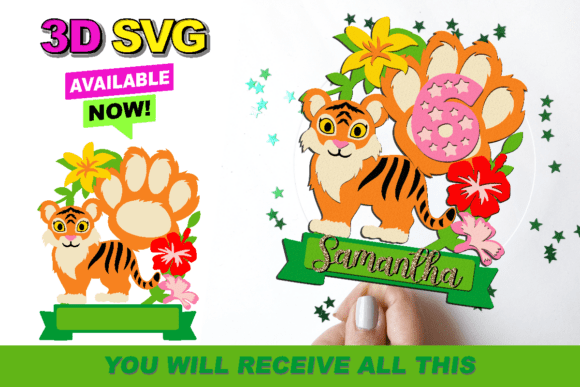
The first thing that strikes you about the Tiger Cake Topper 3D SVG is its bold, playful energy. The design captures the essence of a tiger with a stylized, layered approach that suggests depth and dimension. For an embroidery designer, this "3D" aesthetic translates mentally into layering techniques. The shapes are clean, with distinct separation between elements, which is crucial when considering how threads will interact on fabric. The mood is celebratory and whimsical, making it an ideal candidate for projects that require a touch of fun without sacrificing professionalism.
The layout is balanced, avoiding overly intricate details that might get lost in translation. This simplicity is a strength. In embroidery, less is often more, especially when dealing with small hoop sizes or textured fabrics. The visual personality of this design suggests it belongs on items meant to bring joy, such as birthday gifts, nursery decor, or festive holiday items. It does not scream "corporate," but rather whispers "handmade care," which is exactly what many Etsy sellers and small shop owners aim to convey.
Real-World Application: From Digital File to Stitched Product
Let us consider a practical scenario. Imagine a client requests a custom sweatshirt embroidery for a child’s third birthday. They want something vibrant and memorable. While the Tiger Cake Topper 3D SVG is technically a cut file, its structure can inspire a similar embroidered applique design. By using the SVG as a template for fabric layers, you can replicate that 3D effect using satin stitch edges and fill stitch interiors. This approach reduces stitch density compared to a full solid embroidery, resulting in a softer feel against the skin—a critical factor for baby embroidery or sensitive wearers.
For a tote bag design, the bold lines of the tiger would stand out beautifully against canvas or heavy cotton. The contrast between the thread colors and the fabric texture would enhance the visibility of the design. If you were creating a personalized gift like a kitchen towel or apron, the playful nature of the tiger could be scaled down to serve as a decorative accent near the hem or pocket. This versatility makes it a valuable reference for commercial embroidery projects where brand consistency and customer engagement are key.
However, it is important to note that this is an SVG collection, not a native machine embroidery design file like PES or DST. Therefore, you cannot simply load it into your embroidery machine. Instead, you use it as a guide in your digitizing software or as a cut template for applique. This distinction is vital for craft business owners who must manage customer expectations regarding file types and compatibility.
Navigating Technical Challenges and Fabric Constraints
When adapting any graphic for embroidery, one must consider the limitations of the medium. The Tiger Cake Topper 3D SVG features layered elements that imply depth. In embroidery, achieving this look requires careful planning of stitch order and color transitions. On stretchy fabric like jersey knits, dense stitching can cause puckering. Therefore, if you recreate this design as an embroidered patch or direct stitch, you must use appropriate stabilizer to support the fabric.
Small details are another area of concern. If you attempt to scale the design down for a cap or a small embroidered patch, the finer lines may merge or break. I recommend testing the design on scrap fabric first to determine the minimum viable size. Check the stitch density if you are digitizing it yourself; too much density on a curved surface like a hat brim can lead to distortion. Additionally, on dark fabric, you may need to adjust thread colors to ensure the tiger’s features remain distinct. A black tiger on a navy shirt, for instance, would require high-contrast outlining or metallic threads to pop.
For products that undergo frequent washing, such as custom apparel or baby items, durability is paramount. Ensure that any applique edges created from this SVG template are securely tacked down with a tight satin stitch. Loose threads or poorly secured layers will not survive the wash cycle, leading to customer dissatisfaction. This attention to detail builds customer trust and enhances the perceived value of your handmade product.
Enhancing Brand Value and Customer Appeal
Incorporating well-designed graphics like the Tiger Cake Topper 3D SVG into your workflow can elevate your brand. When customers see a cohesive, professional-looking design, they perceive higher quality. This is particularly important for boutique branding and Etsy listings, where visual appeal drives clicks and sales. Using this design as inspiration for a unique printable mockup or digital preview can help potential buyers visualize the final finished product before purchasing.
The playful theme also increases giftability. Items featuring animals and celebratory motifs are popular for holidays, birthdays, and special occasions. By offering a range of products featuring this tiger motif—such as holiday embroidery on ornaments or personalized blankets—you can tap into seasonal demand. This strategy not only boosts sales but also strengthens your reputation as a versatile and creative creative entrepreneur.
Practical Notes for Designers and Makers
Before integrating this asset into your next project, keep these practical tips in mind:
- Verify Licensing: Since this is a digital download, confirm whether the license allows for commercial use of finished physical items. Most SVG licenses permit selling physical crafts but restrict reselling the digital file itself.
- Test on Scrap Fabric: Always stitch out a test version on the same type of fabric you plan to use for the final product. This helps identify issues with tension, density, or color contrast.
- Check Thread Color Contrast: Use a color wheel to select threads that complement the fabric background. High contrast ensures the design remains visible and impactful.
- Inspect Small Details: Zoom in on the SVG to identify any tiny elements that may not stitch well. Simplify or remove these if necessary to maintain clarity.
- Use Proper Stabilizer: Match the stabilizer type to the fabric weight and stretch. Cut-away stabilizers are often best for stretchy fabrics, while tear-away works well for woven materials.
In conclusion, while the Tiger Cake Topper 3D SVG is primarily a cut file for paper crafters, its design integrity offers valuable inspiration for embroidery professionals. By understanding its structural strengths and adapting it thoughtfully to textile constraints, you can create stunning, marketable products that resonate with customers. Whether you are an experienced digitizer or a hobbyist looking to expand your skills, this design serves as a excellent case study in translating digital graphics into tactile, enduring art.