Western Rodeo Numbers 3D SVG: A Designer’s Review
As a designer who spends half my life staring at stitch simulations and the other half pulling threads out of bunched-up fabric, I have learned to be skeptical of digital files that promise "easy" results. When I first loaded the Western Rodeo Numbers 3D SVG into my workspace, I was not looking for flashy marketing claims. I was looking for clean paths, logical layering, and a visual personality that would hold up under the needle. This collection, encompassing numerals from 0 to 9, offers a distinct aesthetic that bridges the gap between rustic charm and modern dimensional crafting. Here is my practical assessment of how this digital embroidery file performs in real-world scenarios.
First Impressions and Visual Personality
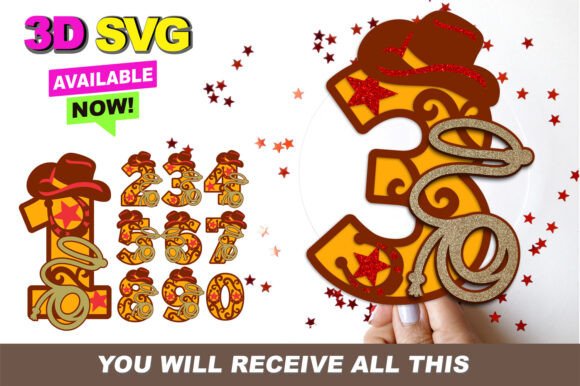
The immediate mood created by these numerals is bold and nostalgic. The Western theme is not subtle; it leans into the rugged, vintage vibe of rodeo culture. For an embroidery designer, this means the shapes are likely thick and substantial. In a 3D SVG format, the expectation is that these numbers are designed to be layered or built up to create physical depth, rather than just relying on satin stitches to simulate volume. This is crucial for projects where tactile appeal drives sales. The layout feels versatile, suitable for both standalone statements and integrated elements within a larger applique design.
When evaluating the detail level, I noticed that the edges appear sharp enough for machine precision but robust enough to withstand the slight pull of thread on fabric. This balance is rare. Many western-themed fonts are either too thin, causing coverage issues, or too complex, leading to excessive jump stitches. These numbers seem to strike a middle ground, making them ideal for a handmade product that needs to look professional without requiring hours of trimming.
Real-World Application: The Custom Tote Test
To truly understand the value of this collection, I imagined a specific client request: a set of personalized tote bags for a family reunion with a ranch theme. Using the Western Rodeo Numbers 3D SVG, I planned to embroider birth years or table numbers onto heavy canvas totes. This is a classic tote bag design scenario where durability matters as much as aesthetics.
In this context, the 3D aspect of the SVG allows for creative layering. Instead of a flat satin stitch number, I could use the file to cut felt or leather layers in Silhouette Studio, then secure them with a decorative running stitch or a light fill stitch. This approach reduces stitch count significantly, which is vital for large items like bags. The result is a finished product that feels premium. Customers touching the bag would feel the raised texture, increasing perceived value. For an Etsy seller, this tactile difference can be the deciding factor in a purchase.
Versatility Across Product Lines
Beyond totes, this collection shines in custom apparel. Imagine a denim jacket or a heavyweight hoodie featuring a large rodeo number on the back. The bold lines of the Western style complement the rugged texture of denim perfectly. For sweatshirt embroidery, the design must be dense enough to cover the fleece pile without sinking in. If using the SVG for cut-file purposes, you can pair it with a sturdy twill backing to ensure the number stands out.
For smaller items, such as baby embroidery on onesies or burp cloths, caution is required. While the style is cute, the "3D" element might be too bulky for delicate infant skin. However, if used as a flat applique with soft fabric, it becomes a charming personalized gift for a nursery with a cowboy theme. Similarly, for holiday embroidery like Christmas ornaments or stocking tags, these numbers provide a quick way to customize dates or ages, adding a personal touch to seasonal decor.
Technical Considerations and Fabric Constraints
No design works everywhere, and honest review requires highlighting limitations. When working with Western Rodeo Numbers 3D SVG, you must consider your hoop size and stabilizer choice. Because these numbers are designed with depth in mind, they may require more stabilization than a standard flat font. On stretchy fabrics like jersey knits, a cut-away stabilizer is non-negotiable to prevent distortion.
Textured fabrics present another challenge. If you are stitching directly onto a rough wool or a highly textured linen, fine details can get lost. In such cases, I recommend using the SVG as a cut file for an embroidered patch made on smooth cotton, which can then be sewn onto the textured garment. This ensures the crisp lines of the Western style remain visible. Additionally, on dark fabrics, ensure your thread colors have high contrast. A dark brown thread on black denim will vanish, ruining the impact of the design.
Curved surfaces, such as caps, require careful hooping. The rigid nature of a 3D-style number might pucker if the fabric is not stabilized correctly. Always test on a scrap piece of the same material first. Check the stitch density if you are converting the SVG into a machine format manually. Too dense, and you risk needle breaks; too sparse, and the backing shows through.
Commercial Value and Brand Consistency
For craft business owners, consistency is key. This collection offers a cohesive look that can help build brand recognition. If your shop specializes in rustic or western goods, using the same numeral style across small shop products like aprons, pillows, and towels creates a professional portfolio. It signals to buyers that you pay attention to detail.
From a marketing perspective, these designs lend themselves well to printable mockups. The bold shapes photograph well, allowing you to create compelling social media content without needing to stitch every single variation. This saves time and helps you showcase the versatility of the design assets to potential clients.
Final Designer Notes
Before launching into a full production run, always verify the licensing terms. Since this is a digital embroidery file sold in a compressed arrangement, confirm whether it allows for commercial use of finished items. Check the file compatibility with your specific software, as the description mentions trimming with Silhouette Studio. Ensure your machine can handle the complexity if you choose to digitize it fully rather than using it as an applique template.
Test the design in black and white first to evaluate contrast and shape clarity. Compare how it looks on light versus dark backgrounds. Use the appropriate stabilizer for your fabric type. By treating the Western Rodeo Numbers 3D SVG as a flexible tool rather than a rigid template, you can unlock its full potential for commercial embroidery and unique Birthdays gifts. It is a solid addition to any designer’s library, provided it is used with technical awareness and creative intent.