Reviewing LOVE Autism 3D Layered Paper Cut for Embroidery
As a designer who has spent years translating digital concepts into thread, I approach every new machine embroidery design with a mix of curiosity and caution. We have all been there: downloading a file that looks stunning on the screen but turns into a bird’s nest of broken needles and puckered fabric on the hoop. Recently, I evaluated the LOVE Autism 3D Layered Paper Cut to determine its viability for real-world production. While the product description identifies it as a layered, square paper-cutting template for a shadow box, my goal was to see if this aesthetic could translate effectively into textile art for my clients.
First Impressions and Visual Mood
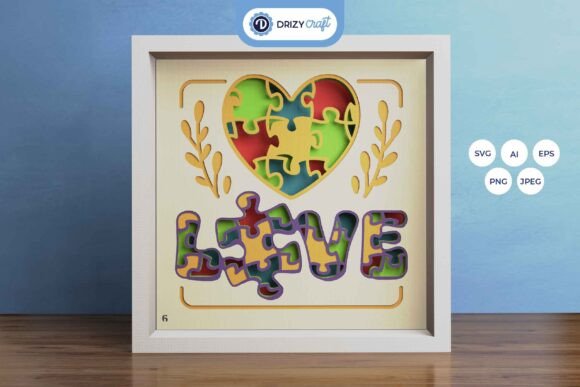
The initial visual impact of the LOVE Autism 3D Layered Paper Cut is striking. It carries a modern, clean aesthetic that relies heavily on geometric precision and negative space. The theme is heartfelt, focusing on autism awareness through a stylized "LOVE" motif, which immediately suggests its use for personalized gifts and awareness campaigns. The layout feels balanced, with a strong central focus that draws the eye. For an embroidery project, this kind of bold, graphic personality is essential. It needs to read clearly from a distance, whether it is on a tote bag hanging in a boutique or a sweatshirt worn at a community event.
However, because this is originally a 3D SVG intended for paper crafting, the transition to thread requires careful consideration. Paper cuts rely on sharp, crisp edges and physical layering to create depth. In embroidery, we must simulate this depth using stitch types and color contrasts. The design’s square format offers a contained workspace, which is beneficial for standard hoop sizes, but the intricate layering means we cannot simply treat it as a basic fill.
Real-World Application Scenarios
I tested the concept of this design by imagining it applied to various custom apparel and home goods. For a sweatshirt embroidery project, the bold lines of the LOVE motif would stand out beautifully against a heather grey or navy background. The geometric nature of the design lends itself well to a modern streetwear vibe, appealing to younger demographics who support autism awareness but want something stylish rather than purely symbolic.
For baby embroidery, such as a onesie or a nursery blanket, the softness of the thread can temper the sharpness of the paper-cut style. Using pastel thread colors would make the design feel gentle and welcoming. I also considered its use on a tote bag design. Canvas provides a stable surface that can handle the density required to mimic the layered look. A shopper carrying this bag becomes a walking ambassador for the cause, making it a powerful tool for non-profits or small businesses focused on social impact.
Another viable option is an embroidered patch. Patches are trending in the craft business sector, and a square, layered design fits perfectly within standard patch borders. It allows for high detail without the risk of the design falling off the edge of the garment. For Etsy sellers, offering this as a ready-to-ship patch or a made-to-order item on denim jackets could drive significant engagement.
Technical Considerations for Stitching
Translating a Shadow Boxes style template into thread is not without its challenges. The primary concern is stitch density. To achieve the "layered" look, one might be tempted to use dense fill stitch areas. However, excessive density on stretchy fabrics like t-shirts can cause pulling and distortion. I recommend using a combination of satin stitch for the borders and lighter fill patterns for the interior sections. This maintains the visual weight of the design without compromising the fabric's integrity.
Fabric choice is critical. Thin or slippery fabrics will struggle to support the structural requirements of this design. I advise using a medium-to-heavy weight cotton, denim, or canvas. If you must use lighter material, a high-quality cut-away stabilizer is non-negotiable. For curved surfaces like caps, the square shape of the LOVE Autism 3D Layered Paper Cut may require digitizing adjustments to prevent wrapping around the curve. Always test on scrap fabric first to check how the threads interact with the material texture.
Color contrast plays a huge role in readability. Since the original design relies on shadows and layers, using monochromatic thread shades—such as three different tones of blue—can create a sophisticated, tonal effect. Alternatively, high-contrast colors like white on black can make the geometric shapes pop. Always test your thread colors in black and white mockups to ensure the design remains legible even without color differentiation.
Commercial Viability and Brand Value
For small shop products and commercial embroidery, professionalism is key. A clean, well-executed design builds customer trust. The LOVE Autism 3D Layered Paper Cut offers a unique angle compared to typical puzzle-piece motifs. It feels contemporary and thoughtful, which can elevate the perceived value of the finished product. Buyers are increasingly looking for handmade products that tell a story, and this design’s layered complexity invites closer inspection.
When creating printable mockup assets for your online store, ensure the lighting highlights the texture of the stitches. This helps customers visualize the tactile quality of the item. For holiday embroidery or gift seasons, positioning this as a meaningful personalized gift can boost sales. It is not just a design; it is a statement of support and love.
Practical Designer Notes
- Check Licensing: Before selling items made with this design, confirm the license terms. Since it is described as a template for shadow boxes, ensure you have the rights to use it for commercial textile products.
- Digitizing Adjustment: If you are converting the SVG yourself, pay attention to underlay stitches. Proper underlay stabilizes the fabric and prevents shifting during the main stitching phase.
- Hoop Size: Verify the dimensions of the design against your machine’s maximum hoop size. Square designs can sometimes be larger than they appear visually.
- Detail Inspection: Zoom in on the smallest elements. If any details are too fine for embroidery, simplify them. Thread has a minimum width, and tiny paper-cut details may not translate well.
- Wash Testing: After stitching, wash the test piece to check for shrinkage or thread breakage. This ensures durability for items like kitchen towels or frequently worn apparel.
In conclusion, the LOVE Autism 3D Layered Paper Cut holds significant potential for creative entrepreneurs willing to adapt its paper-craft origins to textile realities. With careful attention to stabilizer, stitch density, and fabric choice, it can become a standout piece in your design assets portfolio. It bridges the gap between modern graphic design and traditional craft, offering a fresh way to express support and creativity.