Review: Family Photo Frames 3D Layered Paper Cut Design
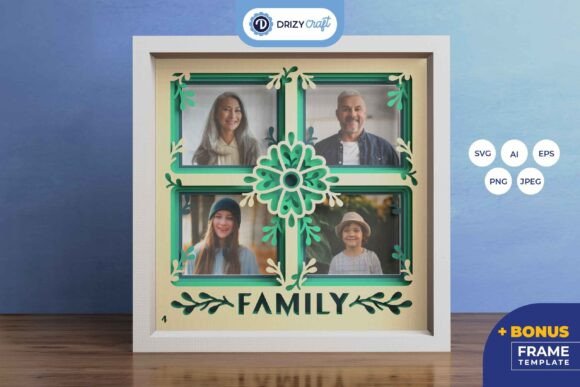
As an embroidery designer who has spent years digitizing and testing files for both personal passion projects and high-volume commercial clients, I approach every new machine embroidery design with a critical eye. It is not enough for a file to look pretty on a screen; it must translate beautifully onto fabric, withstand the tension of the hoop, and deliver value to the end customer. Recently, I evaluated the Family Photo Frames 3D Layered Paper Cut template to determine its viability for real-world applications. While this asset originates as a layered, square paper-cutting template often used in Shadow Boxes, its structural integrity and visual depth offer intriguing possibilities for textile artists willing to adapt traditional paper aesthetics into thread.
First Impressions and Visual Mood
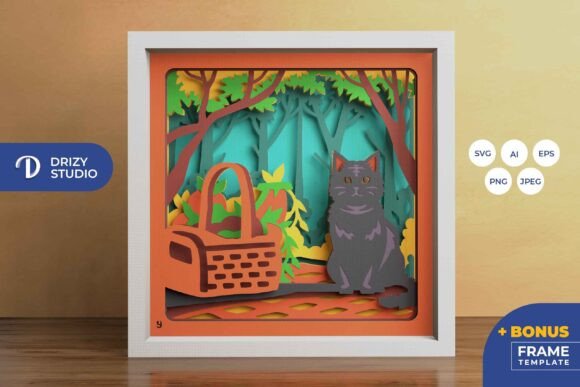
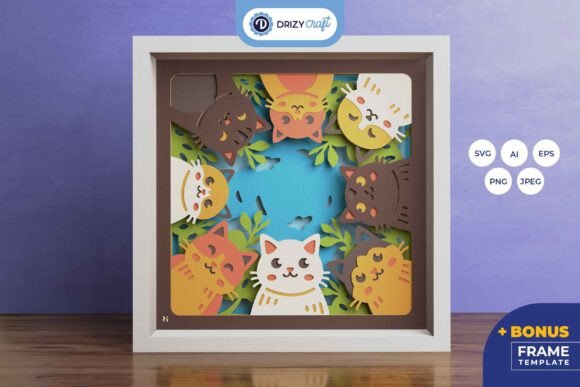
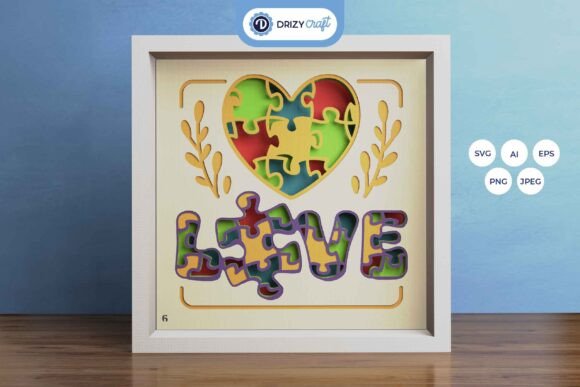
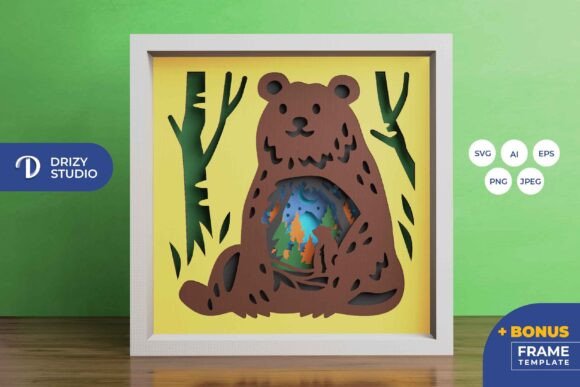
The immediate appeal of the Family Photo Frames 3D Layered Paper Cut lies in its nostalgic yet modern composition. The design evokes a sense of warmth and connection, making it an ideal candidate for personalized gift markets. Visually, the layered effect creates a trompe-l'oeil depth that mimics physical paper crafting. For an embroiderer, this presents a unique challenge and opportunity. The distinct layers suggest a need for careful color separation and stitch type variation to maintain clarity without creating excessive bulk.
When I first loaded the 3D SVG structure into my visualization software, I noted the clean lines and balanced negative space. This is crucial because overly dense designs can puckers fabric, especially on smaller items. The mood is inherently domestic and celebratory, fitting seamlessly into categories like nursery decor, wedding anniversaries, or family reunion merchandise. It does not scream for attention with flashy gradients but rather invites closer inspection through its intricate layering.
Real-World Application Scenarios
To truly test the versatility of this design, I considered several practical scenarios where a craft business owner might deploy it. Imagine preparing a custom tote bag design for a local farmers' market. The square format of the frame fits naturally on canvas totes, providing a structured focal point. Using a heavy-duty stabilizer, the layered elements could be rendered in varying shades of cream, beige, and soft pastels to simulate the paper-cut aesthetic. The result would be a sophisticated, boutique-quality item that stands out against typical flat graphic prints.
Another compelling use case is sweatshirt embroidery. Here, the design serves as a central chest piece or a larger back panel. The "family" theme resonates deeply with customers looking for matching group apparel. However, on stretchy fleece or cotton blends, one must be cautious. The rigid, geometric nature of the frame contrasts with the soft drape of the garment. To make this work, I would recommend using a cut-away stabilizer to prevent distortion over time. The design’s inherent structure helps it hold its shape, but the fabric choice is paramount.
For Etsy sellers focusing on home decor, this design translates well to pillow covers or wall hangings. By using textured threads like matte rayon or even metallic accents for specific layers, you can enhance the three-dimensional illusion. It transforms a simple textile into a piece of art, increasing the perceived value of the finished product. Customers are often willing to pay a premium for items that look handcrafted and detailed, and this design supports that narrative effectively.
Technical Considerations and Stitching Strategy
Translating a paper-cut concept into thread requires strategic thinking regarding stitch density and thread types. In paper crafting, layers are physical; in embroidery, they are simulated through color changes and stitch direction. I advise using a combination of fill stitch for the broader background layers and satin stitch for the finer, foreground details. This contrast helps define the edges and prevents the design from looking like a muddy blob of thread.
One must pay close attention to the hoop size. Since this is a square design, ensure your hoop accommodates the full width without cropping essential details. If you are working with a smaller hoop, you may need to scale the design down, but be wary of losing the intricacy of the inner layers. Tiny details can become lost if the stitch count is too high for the reduced size. Always run a test stitch-out on scrap fabric identical to your final material. This allows you to check for thread breaks, nesting, or registration issues before committing to expensive garments.
Fabric texture also plays a significant role. On smooth fabrics like broadcloth or high-quality polyester, the design will appear crisp and clean. On textured fabrics like linen or terry cloth, the finer lines might get lost. In such cases, consider simplifying the color palette or using a contrasting underlay to boost visibility. For dark fabrics, ensure your thread colors have sufficient brightness to pop, or use a white underlay to prevent the fabric color from dulling the top threads.
Navigating Potential Pitfalls
While the Family Photo Frames 3D Layered Paper Cut is versatile, it is not without its challenges. Curved surfaces, such as caps or hats, require extra care. The rigid square shape can distort on the curved crown of a cap. If you choose to embroider this on headwear, use a strong backing and consider placing the design on the side panel rather than the front center to minimize distortion. Additionally, avoid using this design on very thin or stretchy fabrics without proper stabilization, as the weight of the multiple layers could cause sagging.
Another consideration is washability. Items like aprons or kitchen towels undergo frequent washing and high heat. Ensure that your thread choices are colorfast and that the stitch density is not so high that it creates hard spots which might crack or irritate the skin. For baby items, softness is key. Use soft rayon or polyester threads and avoid bulky buildup by trimming jump stitches carefully and using appropriate tear-away or cut-away stabilizers depending on the fabric stability.
Enhancing Brand Value and Customer Trust
From a business perspective, offering products featuring this design can elevate your brand’s perception. It signals attention to detail and a willingness to tackle complex, meaningful themes. When customers see a well-executed, multi-layered design, they associate it with quality and professionalism. This builds trust and encourages repeat business. Use high-quality printable mockup images to showcase the design on various products in your online store. Show it on a cozy blanket, a stylish tote, and a framed textile piece to help customers visualize the possibilities.
Remember to verify the licensing terms of the original digital embroidery file or SVG template. If you are adapting a paper-cut SVG for embroidery, ensure you have the rights to create derivative works for commercial sale. Transparency with your customers about the handmade nature of the item adds to its charm. Share behind-the-scenes content showing the stitching process, highlighting the care taken to replicate the layered effect. This storytelling aspect enhances the emotional connection buyers feel toward the product.
Final Designer Notes
Before launching any product line featuring the Family Photo Frames 3D Layered Paper Cut, conduct thorough testing. Check thread color contrast against both light and dark backgrounds. Inspect small details for clarity. Confirm that the design works within your standard hoop sizes. If you are unsure about specific technical details like exact stitch counts or machine compatibility, consult the provider’s documentation or reach out directly. A little preparation goes a long way in ensuring that your embroidery project meets the high standards your customers expect. By treating this design with the respect it deserves, you can create stunning, memorable pieces that celebrate family and craftsmanship in equal measure.