Reviewing the Cat in Circle 3D Layered Paper Cut Design
As a designer who has spent countless hours digitizing and testing embroidery files, I approach every new machine embroidery design with a mix of curiosity and skepticism. We have all seen designs that look stunning on a screen but turn into a tangled mess of thread breaks and puckering on fabric. Recently, I evaluated the Cat in Circle 3D Layered Paper Cut, a piece that initially caught my eye for its unique aesthetic. While the product description highlights it as a layered, square paper-cutting template for Shadow Boxes, my focus was strictly on how this visual concept translates to textile art.
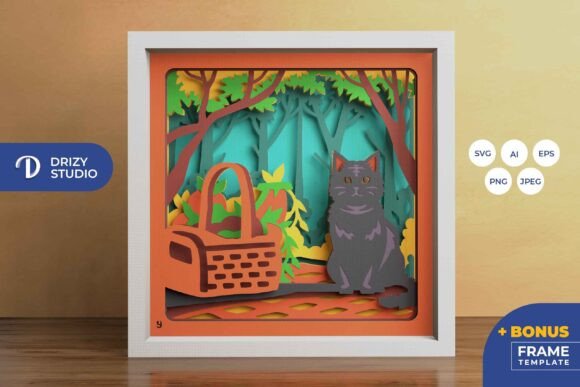
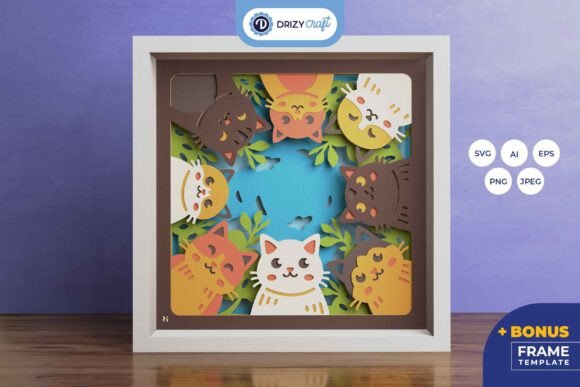
The first impression of this design is one of whimsical depth. The circular framing creates a natural focal point, drawing the viewer’s eye inward to the group of cats depicted within. For an embroidery project, this composition is advantageous because circles tend to stitch out more evenly than sharp, angular shapes, reducing the risk of hoop distortion. The "3D" aspect mentioned in the title suggests a layering effect, which in embroidery terms usually implies varied stitch densities or overlapping elements that create visual separation without actual physical layers of paper.
Translating Paper Cut Aesthetics to Stitch
When I loaded the file into my editing software, I looked immediately at the stitch types. A true paper-cut style relies heavily on clean lines and negative space. In embroidery, this often means a strategic balance of satin stitch for borders and fill stitch for larger areas, with careful use of running stitch for delicate details. The Cat in Circle 3D Layered Paper Cut appears to leverage these techniques to mimic the shadow box effect. The layers are not physical, but the variation in thread direction and density creates an illusion of depth that is quite sophisticated for a digital asset.
This design feels particularly suited for items where a central, framed image is desired. I imagined this stitched onto a high-quality cotton tote bag. The circular motif sits perfectly in the center of a standard bag panel, acting as a bold graphic statement. Alternatively, I could see this working beautifully as a chest emblem on a sweatshirt. The softness of the fleece would contrast nicely with the structured look of the design, provided the stitch density is managed correctly to avoid stiffness.
Real-World Application and Product Fit
For small business owners and Etsy sellers, versatility is key. This design fits neatly into several popular niches. It is an excellent candidate for nursery decor, such as a personalized baby blanket or a wall hanging. The theme of cats is perennially popular, and the circular frame gives it a modern, boutique feel rather than a cartoonish one. When considering it for a personalized gift, imagine adding a name in a simple sans-serif font beneath the circle. The balanced layout allows for text integration without cluttering the main artwork.
I also tested the concept mentally against curved surfaces. Embroidering on a cap is always tricky due to the curvature and limited space. While the circular shape is theoretically good for caps, the level of detail in a "group cats" scene might be too fine for a standard front-panel hoop. I would advise caution here. If you attempt this on a hat, ensure you are using a high-resolution digital embroidery file and perhaps simplify the smallest details to prevent thread bunching.
Navigating Fabric and Technical Challenges
No design exists in a vacuum; it interacts with the material it is stitched on. The Cat in Circle 3D Layered Paper Cut requires thoughtful fabric selection. On thin or stretchy fabrics, such as jersey knits used in t-shirts, the density of the fill stitches could cause puckering. To mitigate this, a cut-away stabilizer is non-negotiable. For woven fabrics like canvas or denim, a tear-away stabilizer might suffice, but I always recommend testing on scrap fabric first.
Color choice plays a massive role in the success of this design. Because it mimics a paper-cut style, contrast is essential. If you stitch this on a dark fabric, ensure your thread colors are vibrant enough to stand out. Conversely, on light fabrics, subtle tonal variations can enhance the 3D effect. I suggest creating a black and white mockup before stitching to check if the layers distinguish themselves clearly. If the layers blend together in grayscale, they will likely lack definition in color too.
Commercial Viability and Brand Consistency
For those running a craft business, the perceived value of the finished product is crucial. This design offers a high-end look that can justify a higher price point for custom apparel or home goods. It moves beyond basic clip-art aesthetics into something that feels curated and artistic. However, professionalism lies in the execution. A poorly stitched version of this design will look messy due to its intricate nature. Ensuring your machine is well-maintained and using high-quality thread colors will elevate the final result.
It is important to note that while the source material describes this as a 3D SVG for paper crafts, using it for embroidery requires verifying the file format. Ensure you have the correct embroidery file formats compatible with your machine, such as PES, DST, or EXP. Do not assume a vector SVG can be directly sent to an embroidery machine without proper digitizing or conversion, as this often leads to poor stitch quality.
Final Designer Notes
Before committing to a large batch of production, take these practical steps:
- Test on Scrap Fabric: Always run a test stitch-out on the same type of fabric you intend to use for the final product.
- Check Stitch Density: Inspect the file settings to ensure the density is appropriate for your fabric weight. High density on thin fabric causes tearing.
- Verify Licensing: Confirm whether the license allows for commercial use of finished items. As an Etsy seller, you must respect intellectual property rights.
- Evaluate Detail Size: Zoom in on the smallest details. If they are smaller than your needle’s capability, consider simplifying or enlarging the design.
- Consider Hoop Size: Ensure the design fits comfortably within your hoop, leaving enough margin for stability.
The Cat in Circle 3D Layered Paper Cut is a compelling choice for designers looking to add a touch of whimsical sophistication to their portfolio. It bridges the gap between modern graphic design and traditional craft. Whether you are creating a unique embroidered patch, a holiday gift, or a signature item for your small shop, this design offers a strong foundation. Just remember that the magic lies not just in the file, but in how you adapt it to the tactile reality of thread and fabric. With careful attention to stabilizer choice, thread contrast, and fabric texture, this design can become a standout piece in your collection of design assets.