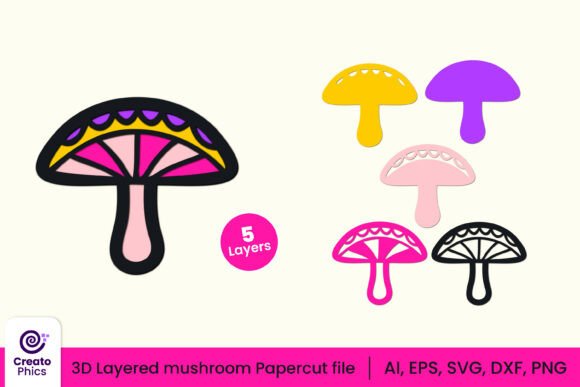
Reviewing the 3D Layered Mushroom Papercut SVG
As a designer who spends half my life digitizing files and the other half stitching them out, I have learned to look past the glossy preview images. We all know that what looks crisp on a screen does not always translate cleanly to fabric. When I first encountered the 3D Layered Mushroom Papercut File SVG, my initial reaction was curiosity mixed with caution. The term "papercut" in the title suggests a specific aesthetic—clean lines, distinct layers, and a graphic quality that relies on negative space. For an embroidery professional, this signals both opportunity and potential pitfalls.
This design is categorized under Freebies, which often raises questions about quality and usability. However, the visual structure of this 3D SVG offers a compelling case study for anyone looking to expand their repertoire beyond standard floral or monogram motifs. Let’s break down how this file performs when moved from the digital realm to the embroidery hoop.
First Impressions: Mood and Visual Personality
The mushroom theme immediately evokes a sense of whimsy and nature. It fits perfectly into the current trend of cottagecore and fairy tale aesthetics. The layered approach implies depth, which is challenging to achieve in flat embroidery but highly rewarding when done correctly. The shape is organic yet structured, suggesting that it would work well for clients who want something playful but not childish. It has a mature charm that appeals to adults decorating their homes or wearing subtle nature-inspired apparel.
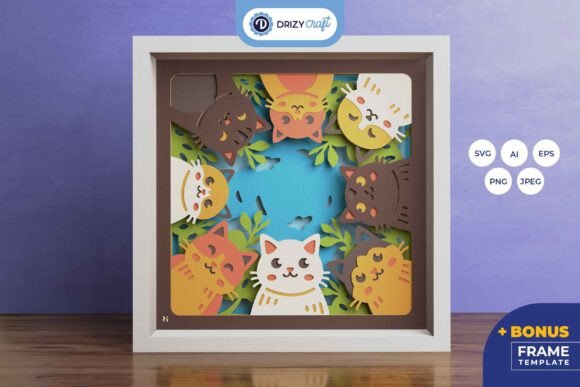
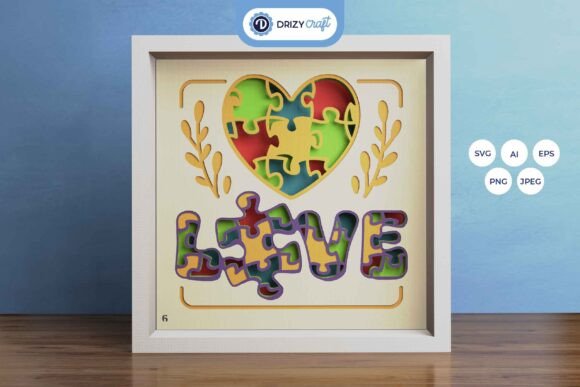
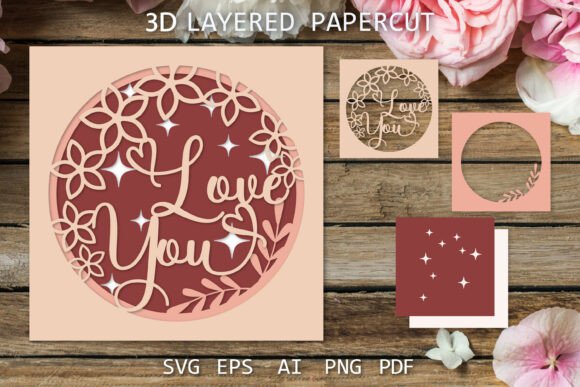
For a machine embroidery design, the clarity of the layers is crucial. If the lines are too close together, the threads will merge, losing the intended "papercut" effect. In my review, I focused on whether the spacing between layers was sufficient to allow different thread colors to stand out without bleeding into one another. This visual separation is what gives the design its dimensionality.
Real-World Application: The Tote Bag Test
To truly evaluate this file, I imagined a real-life scenario: creating a custom tote bag design for a local botanical shop. The client wanted a durable, eye-catching motif that could withstand daily use. I visualized placing the mushroom design on a heavy canvas tote. Here, the embroidery file needs to be robust. A delicate design might get lost in the weave of canvas, but a bold, layered mushroom could anchor the product beautifully.
In this context, the 3D Layered Mushroom Papercut File SVG shines as a central focal point. I would recommend using a fill stitch for the larger cap sections to provide coverage and durability, while utilizing satin stitch for the stems or smaller details to maintain sharp edges. The contrast between thread textures can mimic the layered paper effect. For a handmade product like this, the perceived value increases significantly when the stitching looks intentional and dense enough to feel substantial.
Navigating Fabric and Hoop Constraints
Not every surface is suitable for this type of design. While it works wonderfully on stable fabrics like cotton twill or denim, I would advise caution when using it on stretchy materials. Without proper stabilization, the layered details could distort during washing. If you are planning sweatshirt embroidery, you must use a cut-away stabilizer to support the weight of the stitches. The stitch density required to create the illusion of layers adds bulk, which can be uncomfortable if placed on a high-friction area of a garment.
Similarly, for baby embroidery, softness is paramount. While the mushroom motif is adorable for nursery decor, applying it to a onesie requires careful consideration. You might need to reduce the density or use softer threads to prevent irritation. Always test the design on scrap fabric first. Check how the thread colors interact with the fabric texture. A dark fabric might require a lighter underlay to prevent the background from showing through the stitches, especially in the open areas of the papercut style.
Commercial Viability for Etsy Sellers
For Etsy sellers and small business owners, this design offers versatility. It can be marketed as part of a nature collection, appealing to customers looking for personalized gifts or holiday embroidery projects. The fairy tale theme makes it ideal for autumn decor or woodland-themed weddings. When creating printable mockup assets for your shop, ensure you showcase the design on various products—pillow covers, aprons, and caps—to demonstrate its adaptability.
However, since this is listed as a freebie, you must verify the licensing terms. Can you use it for commercial embroidery? Can you sell finished items? Never assume. Confirming these details protects your craft business from legal issues. If the license allows commercial use, this digital embroidery file becomes a valuable asset in your library, allowing you to offer unique design assets to your customers without high upfront costs.
Technical Notes for the Embroiderer
Before loading this into your machine, consider the following practical steps:
- Check Hoop Size: Ensure the design fits comfortably within your hoop, leaving room for stabilization. Crowding the edges can lead to puckering.
- Thread Contrast: The layered effect relies on color differentiation. Choose thread colors that contrast well with each other and the fabric. Monochromatic schemes can work but require precise tension control.
- Stitch Type Selection: If the file allows editing, consider converting some fill areas to running stitch for a more delicate, sketch-like appearance, or keep them as fills for boldness.
- Test on Dark and Light Fabrics: A design that looks great on white may disappear on black. Adjust your underlay settings accordingly.
- Inspect Small Details: Zoom in on the digital file. Are there tiny islands of stitches that might pull out? Simplify if necessary.
The 3D Layered Mushroom Papercut File SVG is more than just a cute graphic; it is a test of your technical skill and creative vision. When executed with care, it elevates a simple finished product into a piece of art. Whether you are making an embroidered patch for a jacket or a decorative pillow for your home, this design invites you to play with depth and texture. Just remember: the magic lies in the preparation. Respect the fabric, choose your stabilizer wisely, and let the layers speak for themselves.