Reviewing the Love You Card, 3D Layered Design
As an embroidery designer who has spent years translating digital concepts into stitched reality, I approach every new machine embroidery design with a mix of curiosity and caution. The market is flooded with generic motifs, but occasionally, a file stands out for its structural intelligence and emotional resonance. Recently, I evaluated the Love You Card, 3D Layered design, originally categorized under Greeting Cards and distributed as a 3D SVG. While its primary description highlights its use for paper crafting, shadow boxes, and Valentine’s Day signage, my focus was strictly on its viability for textile applications. Could this layered aesthetic translate effectively to fabric, or was it destined to remain a paper-only asset?
First Impressions and Visual Personality
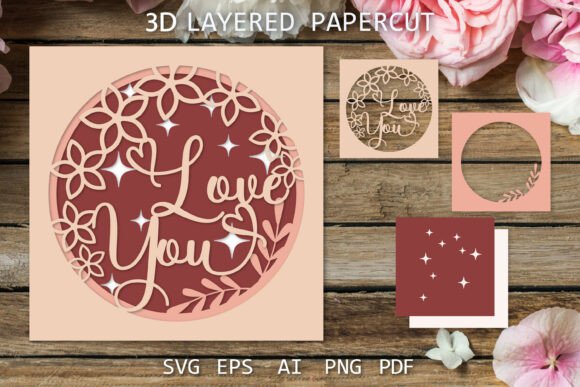
The immediate appeal of the Love You Card, 3D Layered lies in its depth. Even in a two-dimensional preview, the design suggests dimensionality through overlapping elements and strategic spacing. For an embroidery project, this is crucial. Flat designs can often look cheap or uninspired on high-quality garments, but a design that implies layering offers a tactile richness that customers appreciate. The mood is warm, intimate, and celebratory, making it a natural fit for personalized gifts and boutique merchandise.
However, viewing it through the lens of a stitcher, I noticed the complexity. The "3D" effect in vector files often relies on shadows and offsets that do not always translate well to thread. My initial concern was whether the intricate layers would result in excessive stitch density or if the design relied heavily on fine details that might get lost in the fabric texture. A successful translation from digital embroidery file to finished product requires a balance between visual impact and stitch efficiency.
Real-World Application: The Custom Tote Bag Test
To test its practicality, I imagined a real-life scenario: a small shop owner preparing a line of Valentine’s Day tote bags. These are popular handmade products that require durability and visual clarity. I visualized placing the Love You Card, 3D Layered design on a heavy canvas tote bag design. The goal was to create a personalized gift that felt premium rather than mass-produced.
In this context, the design’s layered structure offers a unique opportunity for creative stitching. Instead of attempting to stitch every single paper-like layer, which could lead to puckering, I considered using a combination of satin stitch for the bold outlines and fill stitch for the broader background elements. The overlapping shapes could be interpreted through color blocking rather than physical layering. For instance, using a lighter thread shade for the background layers and a vibrant, contrasting color for the foreground text creates the illusion of depth without adding unnecessary bulk. This approach maintains the design’s integrity while ensuring the finished product remains soft and wearable.
Navigating Technical Challenges
While the aesthetic is strong, there are specific scenarios where this design requires careful handling. Embroidery on textured fabrics or stretchy materials like jersey knit for sweatshirt embroidery demands precision. If the stitch density is too high, the fabric may pucker, ruining the clean lines essential for the "3D" look. I advise testing the design on scrap fabric first, particularly if you are working with thin or dark fabrics where show-through or contrast issues might arise.
Another critical consideration is the hoop size. The layered nature of the Love You Card, 3D Layered design likely requires a medium to large hoop to accommodate the full spread of the elements. Attempting to shrink it down for small items like baby caps or intricate embroidered patch work could result in loss of detail. Tiny lettering and delicate corners may merge together if the resolution is compromised. For baby embroidery, where softness is paramount, I would recommend simplifying the inner layers or using an applique design technique to reduce the number of stitches directly on the garment.
Enhancing Brand Value and Customer Trust
For Etsy sellers and craft business owners, the choice of design directly impacts brand perception. Using a well-structured design like Love You Card, 3D Layered can elevate a simple item into a cherished keepsake. When customers see clear, crisp stitching with thoughtful color transitions, it builds trust in your craftsmanship. This design, when executed correctly, supports brand consistency by offering a professional, polished look that stands out in printable mockup previews and social media posts.
Moreover, the versatility of the design allows for diverse product lines. Beyond tote bags, it could work beautifully on aprons, pillow covers, or even as a central motif for holiday embroidery projects. The key is to adapt the thread colors to match the fabric background. Testing the design in black and white mockups can help identify potential contrast issues before committing to expensive threads. Ensuring that the thread colors complement the fabric texture is essential for maintaining the visual appeal of the layered effect.
Practical Designer Notes for Implementation
Before integrating this design into your commercial workflow, consider these practical steps:
- Check Licensing: Since the original file is a 3D SVG intended for paper crafts, verify if the embroidery version includes commercial use rights. Never assume; always confirm licensing before selling finished items.
- Stabilizer Selection: Use a cut-away stabilizer for stretchy fabrics like sweatshirts to prevent distortion. For woven fabrics like tote bags, a tear-away may suffice, but test for stability.
- Density Review: Inspect the stitch count and density in your embroidery software. If the design feels too dense, consider reducing the fill percentage or using running stitches for decorative accents to lighten the load.
- Color Contrast: Ensure high contrast between the layers to maintain the 3D illusion. Low-contrast threads on similar-colored fabrics will flatten the design.
- Test Stitch: Always run a test stitch on the actual fabric you plan to use. This reveals any tension issues or registration errors that previews might miss.
In conclusion, the Love You Card, 3D Layered design offers significant potential for creative entrepreneurs willing to adapt its paper-craft origins to textile mediums. With careful attention to stitch density, fabric choice, and color strategy, it can become a standout element in your custom apparel or small shop product lineup. It is not just a design; it is a tool for creating emotional connections through crafted goods.